Blog Directory
1.Introduction: The Goldilocks Dilemma of Hot Tubbing
2.The Sweet Spot: Science-Backed Temperature Ranges
3.Energy Economics: What 1 Degree Really Costs You
4.Smart Strategies for Smart Savings
5.Conclusion: Finding Your Perfect Balance
The Goldilocks Dilemma of Hot Tubbing
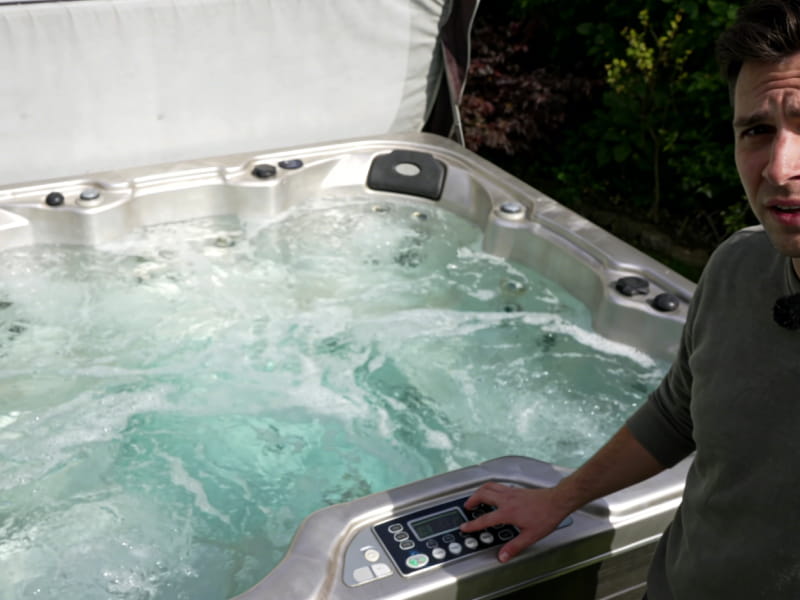
Picture this: you've just invested in a beautiful outdoor spa, you're ready to soak away the stress of the day, and suddenly you're faced with a control panel that looks like it belongs on a spaceship. One pressing question dominates your mind: "What temperature should I set this thing?"
Set it too cold, and you're essentially sitting in a lukewarm bath—hardly the luxurious retreat you imagined. Set it too hot, and you might find yourself resembling a boiled lobster, complete with the energy bill to match. Finding that perfect balance between comfort and efficiency isn't just about personal preference; it's about understanding the science, the economics, and yes, avoiding a few common pitfalls along the way.
Whether you're a seasoned hot tub enthusiast or a newcomer to the world of outdoor tub ownership, this guide will help you navigate the warm waters of temperature optimization—without burning a hole in your wallet.
The Sweet Spot: Science-Backed Temperature Ranges
What the Experts Say
Here's where science meets satisfaction. According to multiple sources, the ideal temperature range for most hot tub users falls between 100°F and 104°F (37.8°C to 40°C) . This range is widely considered safe, comfortable, and conducive to relaxation.
However, drill down a bit deeper, and you'll find that many experts actually prefer a slightly narrower window: 100°F to 102°F (37.8°C to 38.9°C) for optimal comfort . Why the distinction? At these temperatures, you get all the muscle-soothing, stress-melting benefits without pushing your body into overdrive.
The Hard Limit You Shouldn't Ignore
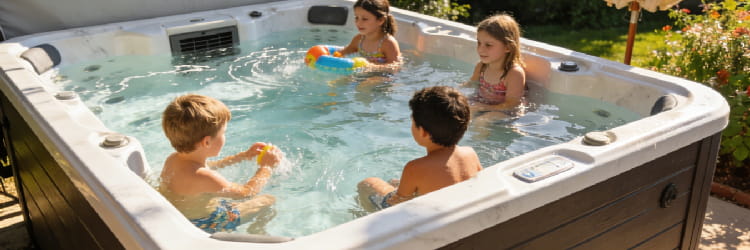
The U.S. Consumer Product Safety Commission (CPSC) draws a firm line in the sand: never exceed 104°F (40°C) . Temperatures above this threshold pose serious health risks, including heat exhaustion, dehydration, and in extreme cases, heatstroke. Your outdoor spa should be a sanctuary, not a sauna-induced science experiment.
Special Considerations:
User Group | Recommended Temperature | Why? |
Children | 95°F - 98°F | Thinner skin, faster overheating |
Pregnant Women | Below 102°F | Fetal temperature regulation |
Elderly | 98°F - 100°F | Reduced heat tolerance |
Health Conditions | Consult physician | Medication interactions possible |
Common Misconceptions (That Might Make You Chuckle)
Let's bust a few myths that have been floating around the hot tub community:
l "Hotter is better!" No, hotter is just... hotter. And potentially dangerous. Your body doesn't need to simulate a fever to relax.
l "Boiling water kills bacteria, so my tub should be near boiling!" A valiant attempt at microbiology, but your outdoor tub operates at temperatures far below what's needed to sterilize water. That's what sanitizers are for .
l "Winter means shutting down the tub." This misconception is delightfully outdated. Modern outdoor spas are engineered to handle cold weather beautifully .
Energy Economics: What 1 Degree Really Costs You
Here's where things get interesting—and where your wallet will thank you for paying attention.
The Magic Number: 10-15% Savings Per Degree
Multiple sources confirm a remarkable statistic: lowering your hot tub temperature by just 1°F can save you approximately 10-15% on your energy bill . Some sources go as far as saying each degree equals about 10% savings .
Let's put that in perspective with a quick calculation:
Temperature Adjustment | Approximate Energy Savings | Annual Cost Reduction (Est.) |
Lower from 104°F to 102°F | 20-30% | 300+ |
Lower from 102°F to 100°F | Additional 20-30% | Additional savings |
Maintain at 100°F vs. 104°F | Up to 40% | Significant long-term savings |
Note: Actual savings vary based on climate, insulation quality, and local energy rates.
Why Such Dramatic Savings?
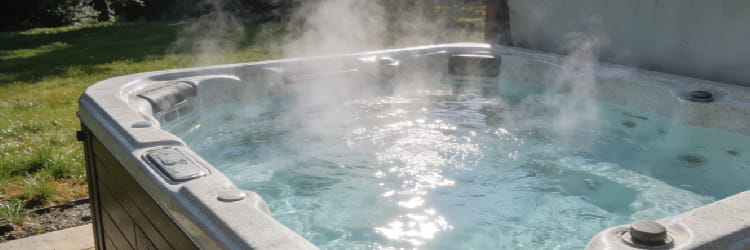
It's simple physics. Your hot tub is constantly fighting a battle against heat loss. The higher the water temperature, the greater the temperature difference between the water and the ambient air, and the faster heat escapes. Every degree you lower reduces this gradient, meaning your heater works less to maintain equilibrium .
Smart Strategies for Smart Savings
1. Embrace Adaptive Temperature Management
Research shows that thermal comfort perception is dynamic—it changes with outdoor climate conditions . In other words, what feels perfect on a snowy January evening might feel overly warm on a crisp autumn afternoon.
Practical Strategy:
l Summer months: 98°F - 100°F
l Winter months: 100°F - 102°F
l Shoulder seasons: Adjust based on personal comfort
This adaptive approach maintains comfort while optimizing energy use .
2. The "Set It and Forget It" Myth
Here's a common debate: Should you maintain a constant temperature, or lower it when not in use? The answer depends on your usage pattern.
For daily users: Maintaining a consistent temperature is often more efficient than repeatedly reheating from scratch .
For weekend warriors: Lowering the temperature by 5-10°F during the week and reheating before use can yield meaningful savings.
3. Modern Technology Is Your Friend
The latest trend in outdoor spa technology? Smart controls that would make your thermostat jealous:
l Wi-Fi connectivity for remote temperature adjustments via smartphone
l Voice assistant integration with Alexa, Google Assistant, or Siri
l Automated scheduling that lowers temperature during off-hours and pre-heats before your regular soak time
l Energy monitoring that tracks consumption in real-time
These aren't just convenient gimmicks—they're practical tools for balancing comfort and efficiency.
4. Insulation: The Unsung Hero
Never underestimate the power of good insulation. Advanced insulation technologies, including multi-layer foam systems and high-density materials, significantly reduce heat loss .
Quick Tips:
l Invest in a quality, well-fitted cover—it's your first line of defense against heat loss
l Ensure your outdoor tub is properly sealed
l Consider upgrading older models with modern insulation solutions
Setting the optimal temperature for your hot tub isn't about finding a magic number—it's about understanding the interplay between comfort, safety, and efficiency. Here's your takeaway cheat sheet:
✅ Aim for 100°F - 102°F for the best balance of comfort and efficiency
✅ Never exceed 104°F — it's not worth the risk
✅ Every degree lower saves 10-15% on energy costs
✅ Adapt to the seasons and your usage patterns
✅ Leverage smart technology to automate efficiency
✅ Invest in quality insulation to maximize savings
Your outdoor spa should be a source of relaxation, not anxiety—about comfort or costs. With these strategies in hand, you can soak confidently, knowing you've found your personal sweet spot.
Now go forth, adjust that dial thoughtfully, and enjoy the warm embrace of a perfectly optimized soak. Your muscles (and your energy bill) will thank you.