Table of Contents
1. Shutting Down for Winter: Step-by-Step
2. Keeping Your Hot Tub Running Through Winter
3. Frost Protection: What Happens If You Skip It
4. UK-Specific Winter Care Tips
5. Spring Startup: Getting Ready Again
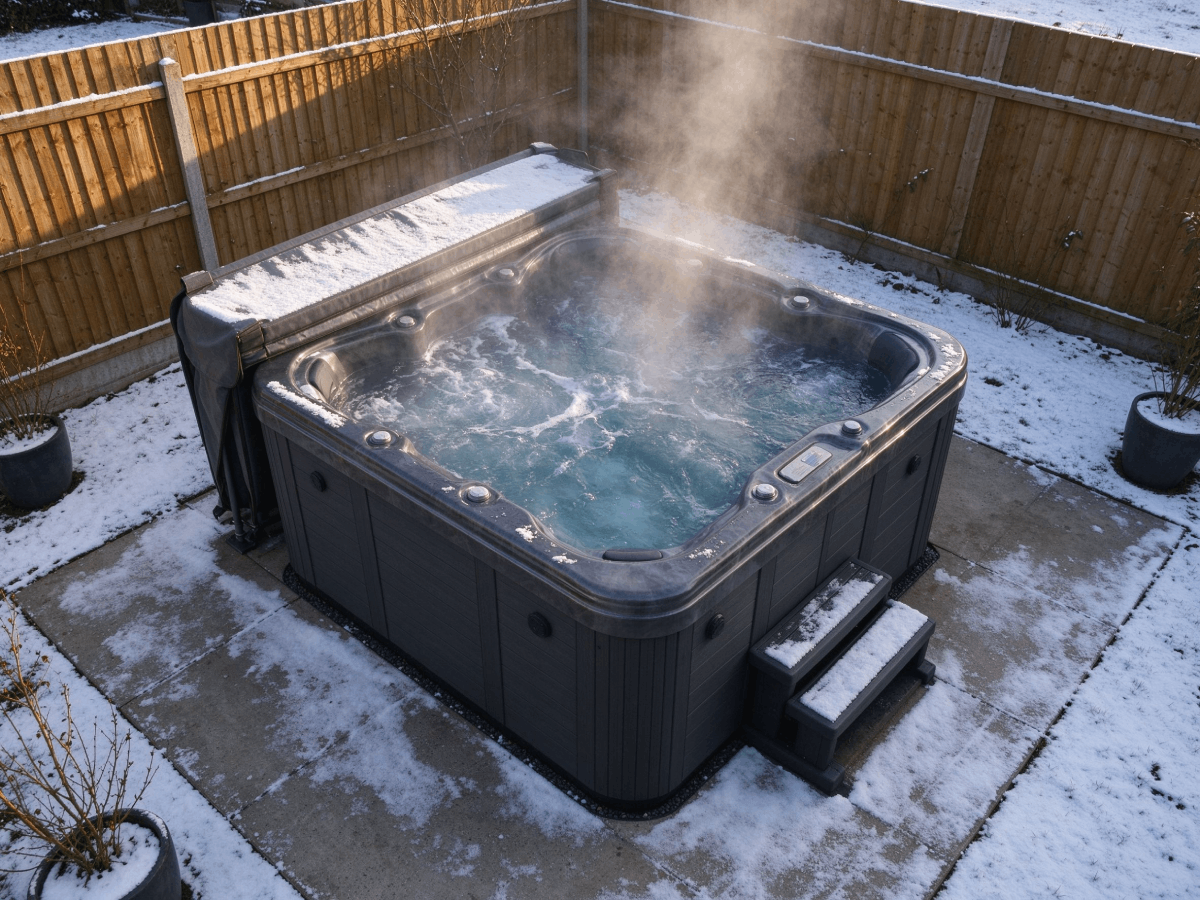
In the UK, winterising your hot tub means draining the water, blowing out the plumbing lines with a shop vac, removing and storing the filter, cleaning the shell, and covering it tightly. If you plan to keep using your tub through winter, you don't need to winterise at all — just keep the heater running, maintain your water chemistry, and make sure the cover is sealed. The key decision is whether you're shutting down for the season or soaking through the frost.
1. Shutting Down for Winter: Step-by-Step
If you won't be using your tub for more than 2-3 weeks during freezing weather, proper winterisation prevents pipes from freezing and cracking. Plan for about 2 hours of work.
Step 1: Turn Off the Power
Switch off the hot tub at the dedicated GFCI breaker. Never work on the tub with power connected — draining a running pump can damage it.
Step 2: Drain the Water
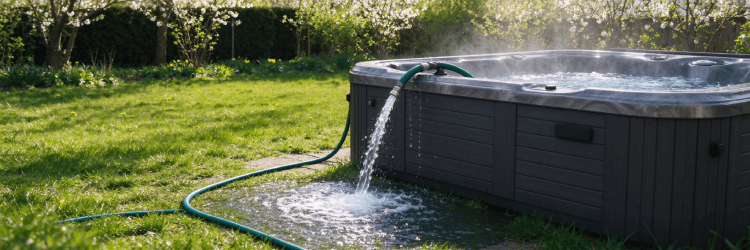
Use the tub's drain spigot or a submersible pump to empty the shell. Most UK tubs drain in 30-60 minutes. Don't drain onto your lawn — the treated water can kill grass; direct it to a drain or flower bed.
Step 3: Blow Out the Plumbing Lines
This is the most important step. Water left in the jets and plumbing freezes, expands, and cracks pipes. Use a shop vac on the "blow" setting to push air through each jet fitting until no more water sprays out. Open all valves and leave them open.
Step 4: Remove and Store the Filter
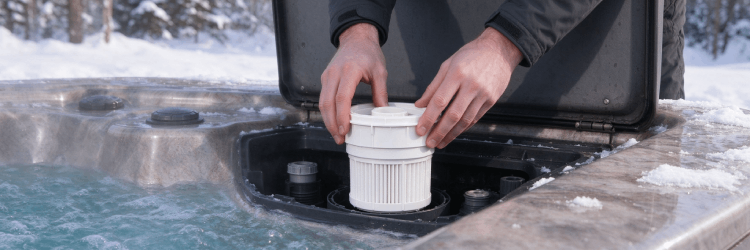
Take out the filter cartridge, rinse it, and store it somewhere frost-free — a garage or utility cupboard. A filter left in a wet tub over winter will grow mould and clog.
Step 5: Clean and Cover
Wipe the shell with a spa surface cleaner, leave the cover slightly ajar for a day to let any remaining moisture evaporate, then seal it. Use a cover cap or tarp to keep rain, leaves, and snow off. Our insulated hot tub covers are designed to handle UK winter weather.
2. Keeping Your Hot Tub Running Through Winter
Here's the secret most UK hot tub owners know: winter is actually the best time to use your tub. Stepping into warm 38°C water while snow falls outside is one of life's great simple pleasures. If you keep the tub running, you skip the entire winterisation process.
Modern hot tubs are designed for this. Full foam insulation, a sealed thermal cover, and a freeze protection mode mean the tub automatically kicks the heater on when the water drops below around 7°C. Our Orpheus and Aurora L both feature this automatic freeze protection, so you can leave the tub running while you're at work or away for a few days.
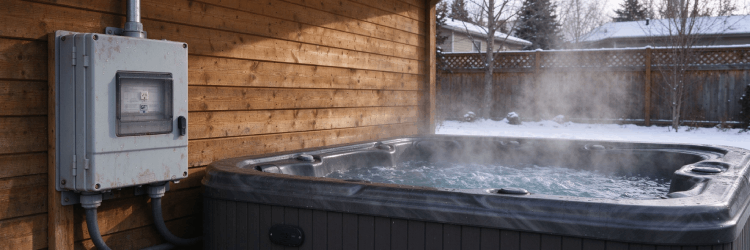
The trade-off is running cost. In UK winter, a well-insulated 4-person tub typically costs £1.50-£3.00 per day to keep hot — less than a cup of coffee. For daily soakers, that's money well spent.
3. Frost Protection: What Happens If You Skip It
Water expands by about 9% when it freezes. If it's trapped in your plumbing, jets, or pump, that expansion cracks PVC pipes, splits pump housings, and can delaminate the shell. A freeze-related repair typically costs £300-£800 — and many warranties don't cover it.
Signs you've had a freeze event: water on the ground after the ice melts, jets that don't prime in spring, a tripping breaker, or visible cracks near the pump. If you spot any of these, call a technician before refilling — running a damaged pump will make it worse.
4. UK-Specific Winter Care Tips
The UK climate is tricky for hot tubs — we get a mix of mild frosts, heavy rain, and occasional snow rather than a sustained deep freeze. That means freeze protection mode is usually enough, but there are a few UK-specific things to watch:
• Keep the cover sealed: A wet, waterlogged cover loses insulation. Brush off snow and leaves after each storm. If your cover is more than 5 years old, winter is the time to replace it. Browse our cover options.
• Check water chemistry weekly: Cold water holds chemicals differently, and bather load drops in winter — test pH and sanitiser once a week rather than twice.
• Don't ignore dripping gutters: Water dripping onto the cover or base can freeze into a sheet of ice. Make sure gutters drain away from the tub.
• Keep the area accessible: Clear a path to the tub — you'll need to reach the drain and breaker even if you're not using it.
• Watch for power cuts: If the power goes out for more than 6-8 hours in hard frost, your tub may need emergency attention. Have a spa technician's number saved.
5. Spring Startup: Getting Ready Again
If you winterised the tub, reopening it in spring is the reverse process — about 1 hour of work plus refill time.
Remove the cover, reinstall the cleaned filter, close all valves, refill with fresh water, and switch the power on. Run the jets for 15 minutes, then test and balance the water. Shock the water with a high dose of sanitiser before the first soak. If you notice any leaks or unusual noises when the pump primes, switch off and call a technician.
Whether you choose to shut down or soak through winter, the key is planning. A tub left to its own devices in a UK frost will almost always end in a repair bill. Browse our full hot tub range to find a model with the freeze protection and insulation to handle British winters. Ready to upgrade? Get local pricing or download our shopping guide for detailed specs.