Table of Contents
1.The Silent Culprit: What Is Biofilm and Why It Causes That Musty Smell
2.How to Confirm Biofilm Is Hiding in Your Hot Tub Plumbing
3.Step-by-Step: How to Perform a Hot Tub Line Flush
4.Prevention: Keep Biofilm from Coming Back
You lift your hot tub cover, eager for a relaxing soak — but instead of clean, fresh water, you're greeted by a musty, damp odor. That unpleasant smell isn't just embarrassing when guests are over; it's your hot tub trying to tell you something important.
If your hot tub smells musty, the most likely culprit is biofilm — a slimy, bacteria-laden layer that builds up inside your spa's plumbing lines. This stubborn film doesn't just cause odors; it can lead to cloudy water, skin irritation (sometimes called "hot tub itch"), reduced sanitizer efficiency, and even damage to your equipment over time.
But here's the good news: you can fix it. With a proper hot tub line flush, you can clear out biofilm, eliminate the musty smell, and restore your spa to its clean, inviting state. Let's dive into what's going on behind the pipes and how to take action.
1.The Silent Culprit: What Is Biofilm and Why It Causes That Musty Smell
Biofilm is a slimy, protective layer formed by bacteria and other microorganisms that cling to the inside of your hot tub's pipes, jets, and surfaces. Think of it as a microscopic fortress — the bacteria secrete a sticky coating that shields them from sanitizers like chlorine or bromine, allowing them to thrive even when your water chemistry looks perfect.
How does biofilm create that musty smell? As the bacteria multiply and break down organic matter (body oils, sweat, dead skin cells), they release gases and byproducts. These can produce:
l A musty or earthy odor — often the first sign of biofilm in the plumbing
l A rotten egg smell — caused by hydrogen sulfide gas produced by biofilm bacteria
l A chemical or plastic-like smell — indicating biofilm deep inside the pipes
The problem is that biofilm doesn't just stay in one spot. Once established, it continuously sheds bacteria into your water, making it harder to maintain balanced chemistry and forcing you to use more sanitizer than normal.
Key insight: If you find yourself adding more chemicals than usual but the water still looks cloudy or smells off, biofilm is almost certainly the reason.
2.How to Confirm Biofilm Is Hiding in Your Hot Tub Plumbing
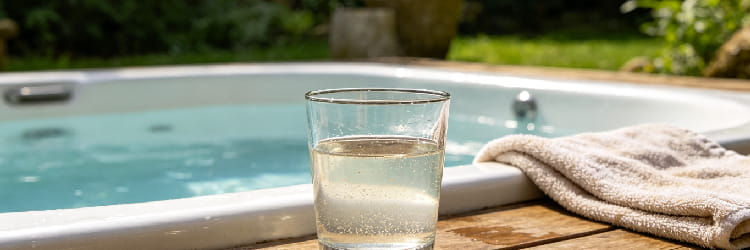
Before you take action, look for these telltale signs:
Symptom | What It Suggests |
Musty or moldy odor | Biofilm in plumbing or filters |
Cloudy water despite balanced chemicals | Biofilm shedding bacteria into water |
Foam on water surface | High total dissolved solids — biofilm precursor |
Skin irritation after soaking | Bacteria and contaminants in biofilm |
Sanitizer disappearing too fast | Biofilm consuming your chemicals |
Brown/gray slime on surfaces | Visible biofilm colony |
If you're nodding along to two or more of these signs, it's time for a hot tub line flush.
3.Step-by-Step: How to Perform a Hot Tub Line Flush
A line flush is the most effective way to remove biofilm from your spa's plumbing. Here's the recommended process:
Step 1: Balance Your Water First
Adjust the pH to the ideal range of 7.2–7.6 before starting the flush. Proper pH ensures the flush cleaner works effectively.
Step 2: Shock the Water
Add a spa shock (chlorine or non-chlorine) to raise the sanitizer level above 10 ppm. This high concentration helps kill bacteria and break down organic matter in the water.
Step 3: Add a Line Flush Cleaner
Add a specialized hot tub plumbing flush product to the water. Follow the dosage instructions based on your spa's water volume — typically about 1 tablespoon per 300 gallons.
Step 4: Run the Jets
Turn on all pumps and jets at maximum power. Open air intake valves if available. Run the system for 30–60 minutes (some products recommend longer, even overnight).
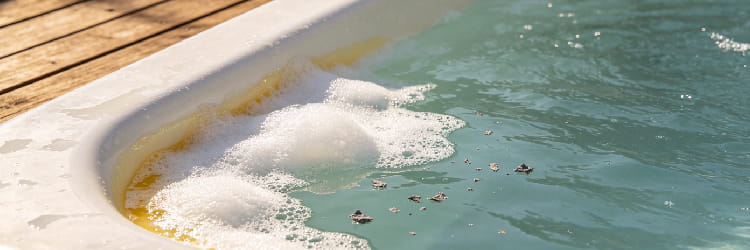
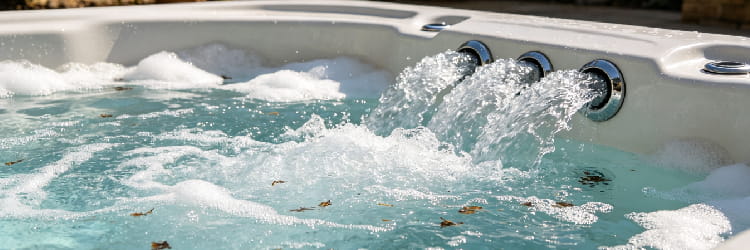
During this phase, you'll likely see foaming and brown or dark-colored flecks floating on the water surface. This is normal and expected — it means the biofilm is being dislodged from your pipes.
Step 5: Drain and Clean
Shut off the system and drain all the water. Remove and rinse the filters. Wipe down the spa shell with a clean cloth to remove any sticky residue that was purged from the plumbing.
Step 6: Refill and Rebalance
Refill your hot tub with fresh water. Add balancing chemicals and sanitizer according to your usual routine. Test the water before soaking.
Pro tip: For stubborn or long-standing biofilm, you may need to repeat this process 2–3 times. Each round will remove more layers of buildup until the system is fully clean.
4.Prevention: Keep Biofilm from Coming Back
Once you've eliminated the musty smell and cleared your plumbing, keep biofilm at bay with these habits:
l Flush your lines every 3–4 months — or at least every time you drain and refill your spa
l Shock your water weekly to break down oils and organic matter before they feed biofilm
l Clean your filters regularly — dirty filters are breeding grounds for bacteria
l Use a cover when not in use to keep out debris and contaminants
l Monitor water chemistry — properly balanced water (pH 7.2–7.6, adequate sanitizer) makes it much harder for biofilm to establish
That musty smell coming from your hot tub isn't just unpleasant — it's a clear signal that biofilm has taken up residence in your plumbing. But you don't have to live with it. By understanding what biofilm is, spotting the warning signs early, and performing a thorough hot tub line flush every few months, you can keep your spa water fresh, clear, and truly inviting.
A clean hot tub isn't just about comfort — it's about health, equipment longevity, and getting the most out of your investment. So next time you lift that cover, let the only scent be clean water and relaxation.
Ready to enjoy a fresh, odor-free soak? Start with a line flush — your hot tub will thank you.